Greg DeSilva
11-15-09
Pappas
Text Wrestling
Craftsmanship is a big part of what the world has become today; from houses to the skyscrapers that make up the New York City skyline. One of the most recent inventions is modular homes. A modular home is made of pre-fabricated walls and roof rafters are thrown together at the job site instead of being constructed by framers at the job. It is an innovative concept, but if it becomes popular it has the ability to abolish the framing aspect of residential and commercial building, causing the loss of manual labor jobs.
In “Shop Class as Soulcraft”, the author, Matthew B Crawford, argues the importance of craftsmanship and manual labor; claiming these things have been negatively influenced by technology and society.
Crawford states that “It appears shop class is a thing of the past, as educators prepare students to become ‘knowledge workers’”. As more and more schools seem to be dropping their shop programs, the idea of working with your hands is being lost at an early age. Crawford is most definitely a do it yourself type of person and touches on how big companies try to “hide the works.” One example of this is car companies concealing the engine under the hood of a car to keep the “average Joe” from fixing anything themselves. Companies also try to keep the consumer from being able to make a simple fix themselves by making a new bolt or screw that requires a exotic tool that is hard to find or just very expensive to purchase, requiring a professional to fix it instead. Not only the saving of money is important to Crawford, as he also touches on how craftsmanship can be very positive in a person’s life: the hard work one puts out, the ability to be able to say you built or fixed that, and the simple thanks you get when you help a friend and save them some money.
Crawford also focuses on the cognitive demands of manual work and how manual labor gets the image of muscular tone and workers hands with no thought “behind the eye”, nothing that connects the physical labor to the brain. When in fact in most cases it is not science that helps people complete jobs but the other way around. For example the steam engine was built by mechanics who observed volume, pressure and temperature without necessarily knowing what these things were but just relying on basic observations as mechanics. Which later on contributed to what scientists concluded as thermodynamics.
Crawford goes on about the idea of manual labor being lost with talk of the arts and crafts movement; where an office worker would spend his weekend in his workshop tinkering around refreshing him for next week. Immigrants are looked at as the reason the arts and crafts movement exists. This is because their cheap labor created less manual jobs for the American father in which he would gain enough income to support his family.
Coming off as a person who hates labels, Crawford states the idea of white collar work being recognizably mental and blue collar work being as mindless as assembly line work. The degradation of blue collar work is due mostly to technology; and the degradation of white collar work seems to be due to the lack of general knowledge.
In conclusion, yes Crawford very much appreciates and looks up to those who do manual labor but he understands that it is not for everybody. He thinks college can be a great thing, but don’t do it for the wrong reasons. As a human being money, peers, and family should not influence your overall goals in life, if you like working on cars by all means do so and if you want to find a cure for the swine flu go to college. Overall his message is to find work that not only interests you but pushes your abilities as far as possible.
As a person who loves to do carpentry, landscaping, and working on my truck I can very much relate to Crawford. Yet for some reason I now find myself taking classes at BCC in order to become a business major. I strongly agree with the fact that manual labor is being lost as technology grows and grows. Times are changing and I myself love to be able to say that I built that or fixed that; but I also find joy in architecture and the idea of running my own business. For that reason I am in school in hopes to run my own construction company where I will have both aspects at my fingertips. So when Crawford said “By all means, go to college and maybe in the summers learn a manual trade. You’re likely to be less damaged, and quite possibly better paid”, I like to be able to say I’m doing exactly that. If only Crawford and I could actually sit down together, I know we would have some great conversations.
Monday, November 23, 2009

Friday, November 6, 2009
annotation

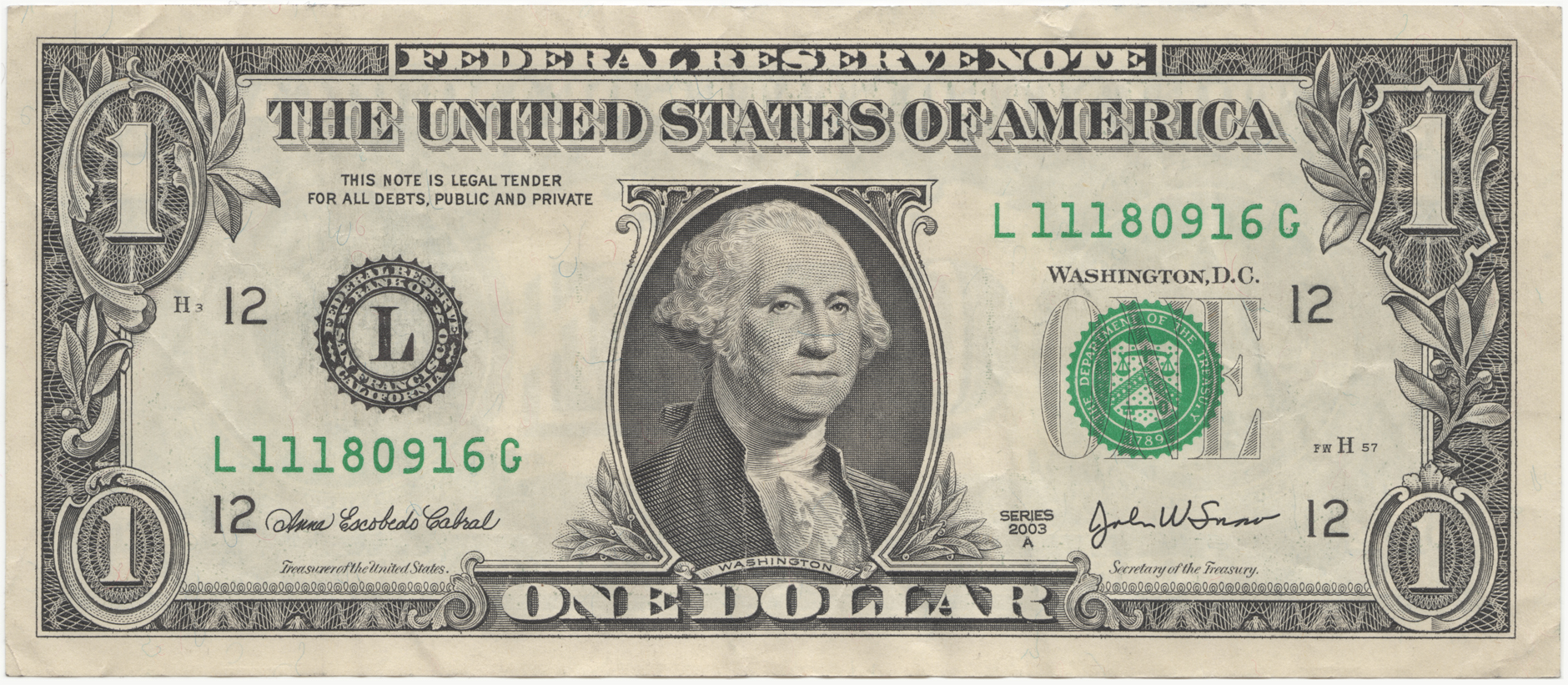
Is the dollar bill Better or at all different then a dollar coin?
Does George Washington deserve to be on the dollar bill?
Do the words "In God We Trust" belong on our nations currency?
Is a dollar bill really worth a dollar?
Do all the symbols on the dollar make sense? or have more meaning to it then what many think/see?
Thursday, November 5, 2009
Greg DeSilva
10-28-09
Pappas
Summary
In “Shop Class as Soulcraft”, the author, Matthew B Crawford, argues the importance of craftsmanship and manual labor; and how he feels these things have been negatively influenced by technology and society.
Crawford states that “It appears shop class is a thing of the past, as educators prepare students to become “knowledge workers””. As more and more schools seem to be dropping their shop programs. Pointing out that the idea of working with your hands is being lost at an early age. Crawford is most definitely, a do it yourself type of person and touches on how big companies try to “hide the works” by for example concealing the engine under the hood of a car or buy making a bolt or screw that requires a exotic tool, preventing the average person from doing something themselves and having to hire a professional to fix something. Not only the saving of money is important to Crawford, as he also touches on how craftsmanship can be very positive in a person’s life from: the hard work one overcomes, the ability to be able to say you built or fixed that, and the simple thanks you get when you help a friend and save them some money.
Crawford is in the subculture of the manual laborers; from machinist, mechanics, and metal fabricators as he ran his own motorcycle shop. To be in such a subculture is a reward that comes with his work. As Crawford goes on he talks about technology replacing manual labor jobs and how some jobs are lost to technology. For example premade door frames make carpentry work easy and take out the overall craftsmanship even though the intentions of cutting down labor are good.
In conclusion, yes Crawford very much appreciates and looks up to those who do manual labor but he understands that it is not for everybody. He thinks college can be a great thing, but don’t do it for the wrong reasons. As a human being money, peers, and family should not influence your overall goals in life, if you like working on cars by all means do so and if you want to find a cure for the swine flu go to college.
10-28-09
Pappas
Summary
In “Shop Class as Soulcraft”, the author, Matthew B Crawford, argues the importance of craftsmanship and manual labor; and how he feels these things have been negatively influenced by technology and society.
Crawford states that “It appears shop class is a thing of the past, as educators prepare students to become “knowledge workers””. As more and more schools seem to be dropping their shop programs. Pointing out that the idea of working with your hands is being lost at an early age. Crawford is most definitely, a do it yourself type of person and touches on how big companies try to “hide the works” by for example concealing the engine under the hood of a car or buy making a bolt or screw that requires a exotic tool, preventing the average person from doing something themselves and having to hire a professional to fix something. Not only the saving of money is important to Crawford, as he also touches on how craftsmanship can be very positive in a person’s life from: the hard work one overcomes, the ability to be able to say you built or fixed that, and the simple thanks you get when you help a friend and save them some money.
Crawford is in the subculture of the manual laborers; from machinist, mechanics, and metal fabricators as he ran his own motorcycle shop. To be in such a subculture is a reward that comes with his work. As Crawford goes on he talks about technology replacing manual labor jobs and how some jobs are lost to technology. For example premade door frames make carpentry work easy and take out the overall craftsmanship even though the intentions of cutting down labor are good.
In conclusion, yes Crawford very much appreciates and looks up to those who do manual labor but he understands that it is not for everybody. He thinks college can be a great thing, but don’t do it for the wrong reasons. As a human being money, peers, and family should not influence your overall goals in life, if you like working on cars by all means do so and if you want to find a cure for the swine flu go to college.
Subscribe to:
Posts (Atom)